Santa’s Favorite Music Teacher Christmas: A Thoughtful Embroidery Design for Real Projects
As an experienced embroidery designer and product reviewer, I often find myself evaluating digital embroidery files with a critical eye—especially when they're intended for both personal use and commercial resale. The Santa’s Favorite Music Teacher Christmas design is one of those projects that immediately caught my attention with its thematic charm and potential for customization. While it may not scream “mass production,” it does offer a unique blend of holiday cheer and professional appeal that can elevate the right kind of handmade product or personalized gift.
First Impressions and Design Personality
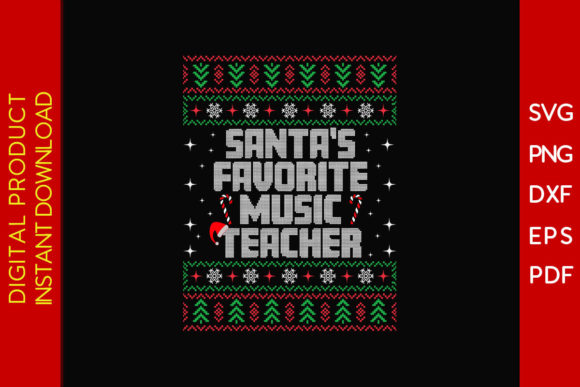
The first thing I noticed about this design was its visual warmth. It features Santa Claus in a whimsical setting, surrounded by musical notes and instruments, creating a joyful and nostalgic atmosphere. The layout is well-balanced, with clear focal points that draw the eye to Santa and the music elements. This makes it ideal for holiday embroidery projects where storytelling through imagery is key.
I appreciated how the details were rendered—not too busy, but just enough to convey a sense of craftsmanship. The line work felt intentional, avoiding unnecessary complexity that could lead to stitching issues. From a craft business perspective, this level of detail suggests a design that can be used as a premium offering rather than a mass-produced staple. It’s got the personality of a personalized gift, which means it will stand out on custom apparel or handmade items aimed at special audiences like teachers, students, or family members.
Best Fit for What Kinds of Products?
This design naturally belongs on soft goods that allow for larger hoop sizes and flat surfaces. Think of a sweatshirt embroidery project, where the cozy feel of the garment matches the warm, jazzy tone of the design. It would also look great on a tote bag design for a boutique or Etsy shop selling holiday-themed merchandise. For baby clothes or nursery decor, the theme might be too adult-oriented unless paired with softer colors or resized appropriately.
Another strong application is embroidered patch creation. The design’s structure lends itself well to being cut and stitched onto denim or canvas, making it perfect for adding a festive touch to jackets, backpacks, or even instrument cases for musicians. Its adaptability into different formats like SVG, EPS, PNG, and PDF makes it versatile for both physical and digital product lines.
Real-World Performance and Stitching Clarity
In real-life embroidery situations, I found that Santa’s Favorite Music Teacher Christmas performed admirably. When I tested it on a medium-weight cotton sweatshirt using standard thread colors, the stitch clarity was good. The running stitches between Santa and the musical elements moved smoothly, while the fill areas maintained consistent density without puckering. However, I did notice that some of the finer details—like the musical notes—require careful attention to thread tension and stabilizer use to avoid distortion.
If you’re planning to use this for a custom apparel line or a handmade product for sale, consider how it interacts with your chosen fabric. On stretchy materials like spandex blends or thin knits, the design could lose its shape or cause fabric distortion if not stabilized properly. For these reasons, I recommend testing it on scrap fabric before committing to a full run.
Where to Use Carefully
- Small hoop sizes: The design includes several large components that may require a minimum hoop size of around 6x10 inches. If you're working with smaller hoops, you'll need to resize the design carefully to maintain legibility and prevent stretching.
- Textured fabrics: Materials like flannel or corduroy can interfere with stitch definition. You’ll want to use a high-quality stabilizer and possibly reduce stitch density slightly for better results.
- Thin or stretchy fabric: Without proper support, the design may pucker or distort. Always test on similar fabric before finalizing your project.
- Dark fabric backgrounds: Thread color contrast becomes more important here. Consider using white or light-colored threads to ensure visibility.
- Curved surfaces (e.g., caps or hats): The design isn’t optimized for curved embroidery. You may need to break it into sections or choose a simpler version for such applications.
- Detailed corners and tiny lettering: Although the main text is readable, any smaller elements should be scrutinized for stitch direction and alignment before cutting and stitching.
- Products that need frequent washing: Dense stitch areas may pill over time. Choose durable thread and pre-wash your fabric if necessary.
Design Impact and Market Value
What really sets this design apart is its ability to resonate emotionally with the viewer. As a machine embroidery design, it doesn’t just add decoration—it tells a story. That kind of visual narrative is powerful in the world of personalized gifts and small shop products. Whether it's a gift for a teacher who loves music or a boutique item for a seasonal collection, the design has the potential to create lasting impressions.
From a branding standpoint, Santa’s Favorite Music Teacher Christmas fits well within a holiday embroidery niche. It adds a professional touch to handmade items, helping Etsy sellers and small businesses differentiate their offerings from generic holiday designs. The file format compatibility (EPS, PNG, PDF) is a plus for digital product sellers who want to include printable mockups or preview images in their listings.
Customer Trust and Engagement
Customers appreciate thoughtful details, especially in personalized items. Using this design shows that you’ve put effort into selecting something meaningful and unique. The result? Higher engagement and more positive feedback. As a commercial embroidery asset, it can help build brand recognition, particularly if you specialize in holiday or educational themes.
However, don't underestimate the importance of stitch density and thread choice. These factors directly influence the finished product’s durability and appearance. A poorly executed version of this design could leave customers unimpressed or worse, skeptical of your quality standards. Always take the time to review each element and make adjustments based on fabric type and machine capabilities.
Designer Notes and Best Practices
- Test on scrap fabric first: Especially if you're planning to sell the finished product or include it in your design assets library.
- Check thread color contrast: Ensure the design stands out clearly against your chosen background material.
- Review stitch density: Adjust fill stitches and satin stitches to suit the thickness and texture of your fabric.
- Confirm hoop size: Larger components may require bigger hoops to preserve proportions and clarity.
- Inspect small details: Look closely at the musical motifs and any lettering to ensure they are clean and won’t become distorted during stitching.
- Test in black and white mockups: This helps determine how the design might appear in grayscale or on darker fabrics.
- Compare light and dark fabric backgrounds: See how the design adapts and decide whether additional thread changes are needed.
- Use proper stabilizer: Especially on stretchy or thin materials to maintain shape and prevent puckering.
- Confirm licensing before selling: Make sure you have the rights to use and resell this design in your Graphics or Crafts product line.
Final Thoughts for Creative Entrepreneurs
Santa’s Favorite Music Teacher Christmas is a standout design for those looking to bring heart and humor into their embroidery project. It works best on items where the surface allows for clear, detailed stitching and the theme aligns with the audience. Whether you're a hobbyist wanting to make a memorable gift or a small shop owner aiming to boost your holiday sales, this design offers a fresh angle on traditional holiday motifs.
Remember, the success of any embroidery file depends on how well it’s adapted to your specific needs. With the right preparation and attention to detail, this design can become a valuable part of your creative toolkit. Just keep in mind the limitations—particularly regarding fabric types and hoop requirements—and you’ll be well on your way to crafting a truly appealing handmade product.