School Lunch Elements: A Versatile SVG Design Asset for Crafts and Graphics
As a professional designer with years of experience in crafting visual identities for small businesses, print-on-demand ventures, and creative marketplace projects, I often find myself vetting design assets for real-world use. Recently, I reviewed School Lunch Elements, an SVG cut file that promises compatibility across multiple tools like Cricut Explore, Silhouette Cameo, Brother Scan N Cut, Sizzix eClips, and Sure Cuts a Lot. My goal was to assess its suitability for client work—specifically for a local handmade brand launching a line of back-to-school themed products.
First Impressions: Playful and Themed Visual Language
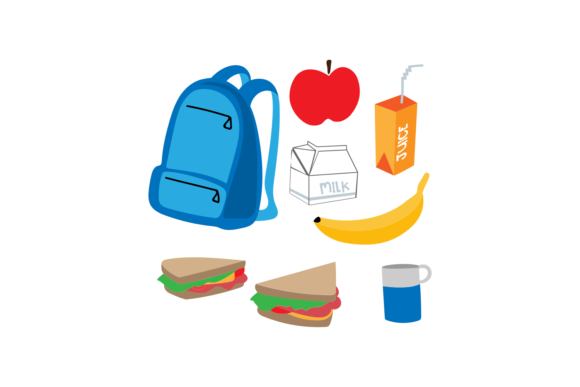
The first thing I noticed about School Lunch Elements is its whimsical, hand-drawn aesthetic. The vector illustrations are full of character, featuring playful icons like sandwich boxes, juice bottles, fruit slices, and lunchboxes. It’s clear this asset was designed with a casual, approachable style in mind—perfect for evoking the charm and nostalgia associated with school days or educational themes.
Visually, it leans into a soft, colorful palette with clean lines and minimal detail, which makes it highly versatile for both digital and print applications. The mood it creates is cheerful and youthful, ideal for brands targeting parents, educators, or children’s audiences. While it may not suit high-end corporate branding, it fits beautifully into handmade businesses, Etsy shops, or boutique product lines looking for a warm and inviting look.
Style and Application Fit
This SVG design feels like it belongs in a creative design bundle aimed at crafters and content creators who value personality over precision. Its illustrative nature suggests it would work well in contexts where a handmade or artisanal feel is desired—think packaging for organic snacks, branded stickers for classroom supplies, or social media posts promoting educational events.
Performance in Real Design Projects
I tested School Lunch Elements in several practical scenarios to see how it holds up under professional conditions:
- Logo Design: Not ideal for logos due to its decorative nature, but could be used as supporting graphics within a logo suite or as part of a larger identity system.
- Brand Identity: Works great for creating cohesive visuals in a theme-based brand. For example, pairing it with a retro-inspired color scheme and handwritten fonts can enhance the nostalgic tone.
- Product Labels and Packaging: Ideal for adding visual interest to labels and wrapping designs. Its elements fit well on larger surfaces like gift bags or snack containers, especially when layered with typography.
- Posters and Flyers: Adds a charming touch to event posters or promotional flyers for schools, camps, or educational workshops.
- Invitations and Merchandise: Perfect for themed invitations, such as back-to-school parties or teacher appreciation events. It also translates well onto merchandise like t-shirts, mugs, and tote bags.
- Web and Blog Graphics: Can be incorporated into blog headers or website banners for a lighthearted, engaging vibe. Just ensure there's enough contrast and clarity for web readability.
- Editorial Design: Useful in magazines or newsletters targeting young families or educators. It helps break up text without overwhelming the reader.
- Digital Ads and Social Media Posts: Performs well in Pinterest pins and Instagram stories where eye-catching, thematic content is key. The bright colors and recognizable shapes make it shareable and engaging.
- Cricut Projects and Sticker Designs: As an SVG cut file, it excels in crafting projects. The clean paths and consistent line weights allow for crisp cuts and easy customization, making it a solid choice for DIY enthusiasts and small business owners alike.
Where School Lunch Elements Shines
Here are the areas where this design asset truly adds value:
- Large Layout Areas: The elements scale beautifully and retain their quality when printed large. They’re particularly effective in hero sections of websites or posters where they can serve as central graphic motifs.
- Hero Graphics and Mockups: When placed on product mockups, such as lunchbox illustrations or sticker templates, they elevate the presentation and give the final output a polished, curated look.
- Decorative Accents and Campaigns: These elements function well as accents in themed campaigns or collections. Whether you're designing a summer camp kit or a school-themed giveaway, they help unify the visual language.
- Printable Designs and Digital Assets: The included PNG files (if available) are well-optimized for transparency and layering. This makes them suitable for printable wall art, planners, or even as part of a Canva template for quick client deliverables.
- Supporting Brand Elements: While not suitable as a standalone logo, it complements brand elements like buttons, badges, and icons in a broader visual strategy.
Use With Caution in Certain Contexts
Despite its strengths, there are specific situations where School Lunch Elements might fall short:
- Small Sizes: Some details get lost when scaling down. If your project involves tiny icons or sublimation design work on apparel, consider simplifying or isolating key elements before use.
- Crowded Layouts: Its playful nature can clash with dense layouts. Use sparingly to avoid clutter and maintain strong visual hierarchy.
- Complex Backgrounds: The design works best on simple, flat backgrounds. Overlapping it with intricate textures or gradients can reduce legibility and impact.
- Minimalist Branding: Clients seeking a sleek, modern design may find these elements too busy. Always evaluate if the asset aligns with the overall brand tone.
- Professional Corporate Materials: Unless the brand embraces a more fun and friendly image, this asset isn’t recommended for formal reports, proposals, or boardroom presentations.
Design Considerations for Commercial Use
Before recommending School Lunch Elements for commercial projects, here are some checks every designer should perform:
- Test in Black and White: Confirm that the elements still convey their intended message and remain visually appealing without color.
- Check Contrast on Light/Dark Backgrounds: Ensure that the design maintains visibility and doesn't fade out depending on the background it's placed on.
- Preview at Small and Large Sizes: Evaluate scalability for both digital and print formats. Look for any pixelation or distortion issues.
- Place on Real Mockups: Try integrating the elements into actual product mockups to gauge their effectiveness in context.
- Test Print Quality: If using for physical goods, verify that the colors and lines hold up after printing, especially on different materials like fabric or paper.
- Review File Formats: Check if the package includes PNG, SVG, and other editable formats. This ensures flexibility across platforms and software.
- Inspect PNG Transparency: If included, test the PNG files against various backgrounds to confirm they don’t have unwanted edges or artifacts.
- Check SVG or Vector Editability: Open the SVG in Adobe Illustrator or similar software to see if layers are organized and paths are clean. This affects ease of customization.
- Compare Font Styles: Test the design alongside different font styles—serif, sans serif, script, handwritten, and display—to see what combinations resonate most with the target audience.
- Confirm Commercial Licensing: Always verify the terms of the commercial license before using any design asset in client work or for sale in a creative marketplace.
Impact on Readability and Brand Perception
While School Lunch Elements brings a delightful visual appeal, it’s important to balance it with legible typography and clear hierarchy. In marketing visuals or editorial design, these elements shouldn’t overshadow the main message. Instead, they should support it by reinforcing the theme and emotional tone.
For a small business owner or content creator, this design can significantly boost brand consistency by providing a recurring motif that ties together different touchpoints—from product packaging to social media posts. The emotional appeal is strong; it invites warmth and familiarity, which can build visual trust and recognition among audiences.
However, in projects requiring a professional and clean aesthetic, the asset may introduce unnecessary visual noise. It’s crucial to match the design’s energy with the brand’s voice to ensure a cohesive and credible outcome.
Why School Lunch Elements Is Worth Considering
For designers working with handmade businesses, seasonal campaigns, or educational themes, School Lunch Elements offers a ready-made solution that enhances the creative process. It’s not just an SVG—it’s a set of graphic design assets that can inspire direction, streamline production, and add personality to otherwise generic visuals.
Whether you're crafting a print-on-demand collection, building a Canva template, or planning a product launch around back-to-school, this design has the potential to differentiate your work from the competition. Its adaptability across crafts and graphics makes it a valuable tool for those who want to create a sense of joy and creativity in their visual storytelling.
Final Thoughts: A Creative Asset That Delivers
In summary, School Lunch Elements is a thoughtful addition to any designer’s toolkit, especially those focused on small business branding and craft-based projects. It’s not a one-size-fits-all solution, but when used appropriately, it can bring charm, cohesion, and a unique visual identity to a wide range of applications.
If you're working on a project that needs a little extra flair without compromising professionalism, this SVG design is worth exploring. Just remember to apply it strategically, ensuring it supports rather than distracts from the core message. With the right placement and styling, it can become a subtle yet powerful element in your commercial design workflow.